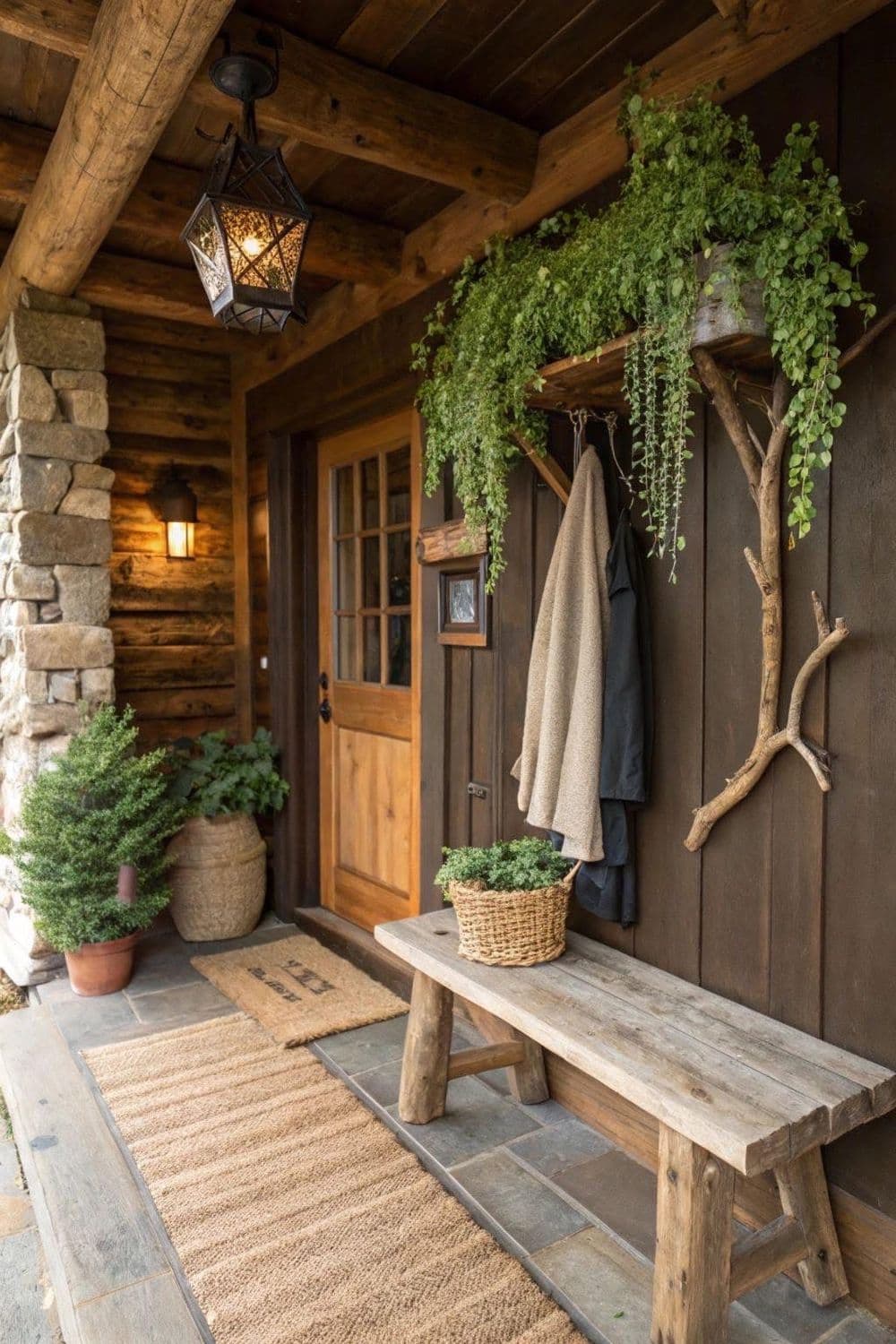
Beautiful Barn-to-Home Conversions Built Right
We turn old barns into comfortable, functional living spaces with lasting craftsmanship and careful attention to structure.
Barn-to-Home Conversions
At Hawk Ridge Construction Group, we turn old barns into comfortable, functional living spaces that still honor the building’s history. A barn-to-home conversion is not a basic remodel. It takes careful planning, structural knowledge, and a real respect for the original structure. With 25 years of combined experience, we help property owners transform aging agricultural buildings into custom homes, guest houses, studios, and multi-use spaces built for modern life.
Our approach starts with the barn itself. Many older barns were built without the kind of foundation, framing, insulation, and utility systems needed for residential use. That is why we begin with a thorough on-site assessment. We look at structural stability, foundation conditions, framing strength, roof condition, water issues, access, and the overall potential of the building. This early step helps us identify what can be preserved, what needs reinforcement, and how to move forward with a safe, realistic plan.
We also take time to understand your vision. Some customers want a full-time rustic home with exposed beams and reclaimed wood details. Others want a weekend retreat, in-law suite, event space, or a mixed-use layout that combines living space with storage or workshop areas. During our consultation, we talk through your goals, style preferences, budget, and timeline. We also discuss practical needs like bedroom count, bathroom layouts, kitchen design, heating and cooling, natural light, insulation, and accessibility.
Because every barn is different, every conversion is custom. We provide design and consulting guidance focused on preserving the original character of the structure while making it work as a living space. That may include saving hand-hewn beams, restoring wood siding, reusing old barn wood for flooring or wall accents, opening up interior spaces, or redesigning the layout for modern flow. Our goal is to keep the charm that makes the barn special while delivering the comfort and function you need every day.
A typical barn conversion may include structural repairs, foundation work, exterior restoration, roofing updates, new windows and doors, insulation, framing for new living areas, kitchen and bathroom construction, plumbing, electrical, HVAC, interior finishes, and custom wood features. We can also incorporate reclaimed materials from the existing barn wherever practical. This not only preserves character, but also creates one-of-a-kind finishes that cannot be duplicated with off-the-shelf products.
One of the biggest benefits of a barn-to-home conversion is the chance to create a truly unique property. Barn homes often feature open floor plans, high ceilings, large timber frames, loft spaces, and warm natural textures that are hard to match in standard residential construction. For many property owners, conversion is also a meaningful way to preserve a family barn or give new life to an old outbuilding instead of letting it continue to deteriorate. As we like to say, we are passionate about restoring the past and recrafting the future.
Our process is straightforward and hands-on. We start with an on-site assessment and initial estimate. Then we move into a pre-job consultation to capture your ideas, discuss the budget, and collaborate on design direction. Once the plan is clear, we provide a quote and project plan, help manage permitting as needed, schedule the work and subcontractors, and begin construction. From prep work and restoration to full interior build-out and final cleanup, we manage the project carefully so you know what to expect at each stage.
We understand that converting a barn into a house can feel overwhelming at first. There are structural questions, code requirements, and design choices that do not come up in a normal home remodel. That is exactly why customers call us. We bring real experience in barn repurposing and home remodeling, so we can guide the project from concept to completion. We focus on honest communication, quality craftsmanship, and practical solutions that protect your investment.
As a Pennsylvania general contractor with insurance in place, we serve property owners across Schuylkill, Lehigh, Berks, and Lancaster Counties, including Pottsville, Allentown, Reading, Lancaster, and nearby communities. We work with customers who want more than just a builder. They want a team that understands old structures, values craftsmanship, and cares about doing the job the right way.
If you have a barn on your property and want to explore the possibilities, we would be glad to talk with you. We can help you understand what the structure can support, what improvements may be needed, and how to turn your ideas into a finished living space you can enjoy for years. Call Hawk Ridge Construction Group at (717) 673-7062 to schedule a consultation and take the first step toward your barn-to-home conversion.
Our Barn-to-Home Conversion Process
We turn aging barns into comfortable, code-compliant living spaces with careful planning, honest communication, and craftsmanship built around your goals.
On-Site Assessment & Vision Planning
We start with a detailed on-site visit to inspect the barn’s frame, roof, siding, and foundation, since many older structures need structural upgrades before conversion. Then we sit down with you to map out layout ideas, budget, reclaimed wood options, and the lifestyle goals for your new home.
Design, Quote & Build Coordination
Next, we develop a clear conversion plan with practical design guidance, scope, pricing, and realistic timelines for each phase of work. We also handle permitting as needed and coordinate trusted trades, so your barn-to-home project moves forward in an organized, efficient way.
Restoration, Finish Work & Final Walkthrough
Once work begins, we complete structural repairs, insulation, utilities, interior build-out, and custom finishes while preserving the barn’s original character where possible. Before we wrap up, we perform a full cleanup and final walkthrough with you to make sure every detail meets our standards and yours.
Barn-to-Home Conversion FAQs
If you’re thinking about turning an old barn into a home, guest house, studio, or event space, these are the questions we hear most often. At Hawk Ridge Construction Group, we walk you through the process clearly so you can move forward with confidence.
Start Your Barn Home Conversion
Call Hawk Ridge Construction Group today to preserve your barn’s character and create lasting living space.